
“Times and conditions change so rapidly that we must keep our aim focused constantly on the future.”
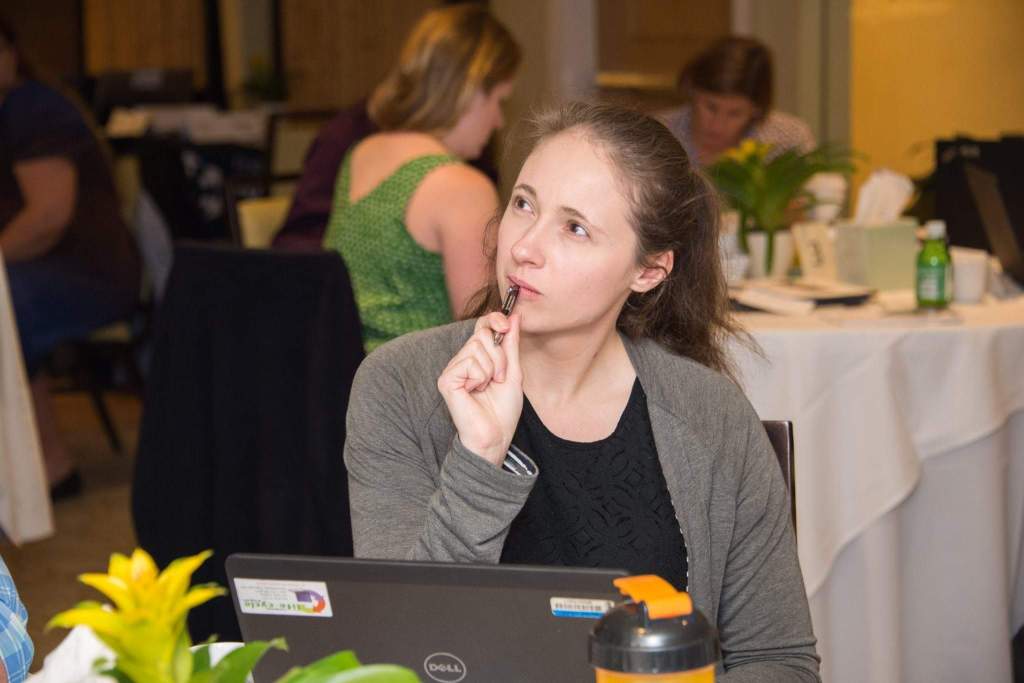
My name is Kim Nesbitt, and I have over a decade of experience providing strategic management, risk management, and strategic foresight expertise to both the private and public sector. I have spent my time focused on strategic planning, performance management, portfolio management, risk management, enterprise risk management, and strategic foresight, working with a variety of agencies within the Federal Government. I graduated from Randolph (Macon Woman’s) College with a degree in English Literature, and graduated with a Master’s in cybersecurity policy and risk management from the University of New Hampshire.
My approach to problem solving adds creativity, psychology, and general social interest to the issues and challenges facing the world. Much like the Walt Disney quote above, we are in a time that is changing far more rapidly than before, and must keep a steady eye on the future. And we need to have fun with it! Futures studies should be challenging, interesting, and full of creativity. The future is something to create and celebrate, so continue watching this space to learn about how you can apply fun methods to your foresight process, or even think about keeping the human element in our increasingly technical world.
Also, all graphics are either owned or made by me. Call it a way of being creative in ways that don’t involve drawing.
The thoughts and views expressed in this blog reflect me, myself, and I. None of the views expressed here are representative of my employer, my organizations, my family, or my pups – though the pups demand that you love them unconditionally.

Strategic Foresight
What is strategic foresight, and why am I so invested in it?
Strategic foresight is a multi-disciplinary practice that combines analytical and creative thought to understand the elements that are changing our world at a rapid pace. By understanding the trends and issues facing an entity, a practitioner can map out several potential future states that provide a basis for the decision-making of today.
Foresight requires a lot of research and curiosity, and the ability to question beyond our understanding of the current day. We take the seemingly inconsequential and turn it into a potential disruptive element of the present day, and challenge our own biases and hesitations when it comes to decision-making.
 formthefuture.org